Gilia Pandolfi
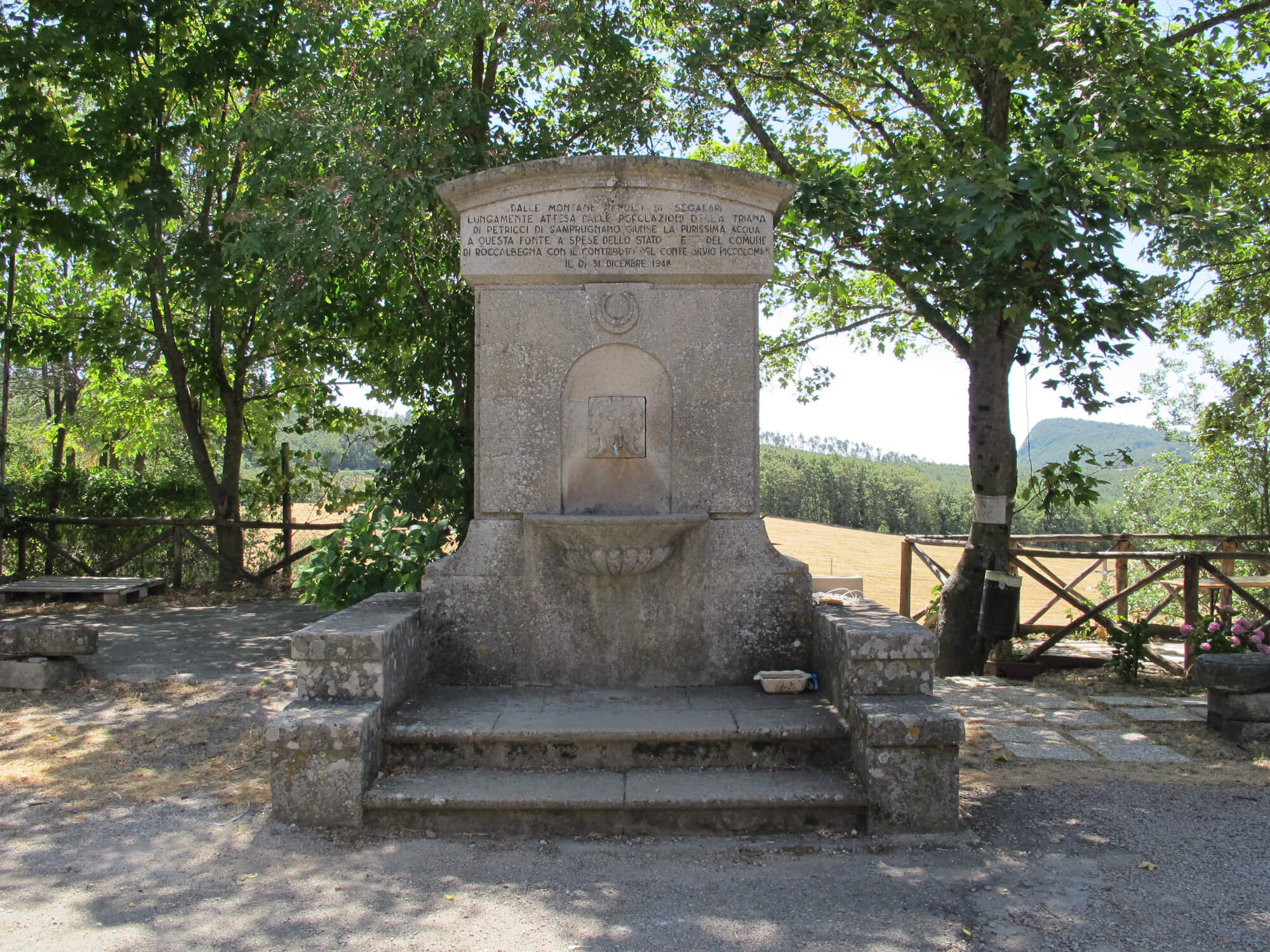
This ancient territory of Etruscan, Roman and Medieval civilization was first cited in the year 776 in documents from the Abbey of San Salvatore. It was recorded under the name of Atriana or the Atriano farmhouse together with the Fauclano farmhouse (the future Roccalbegna). It can be surmised that there were many scattered houses and aqueducts at the time, and that an organized system of farming was practiced consisting of vineyards, fields and orchards.
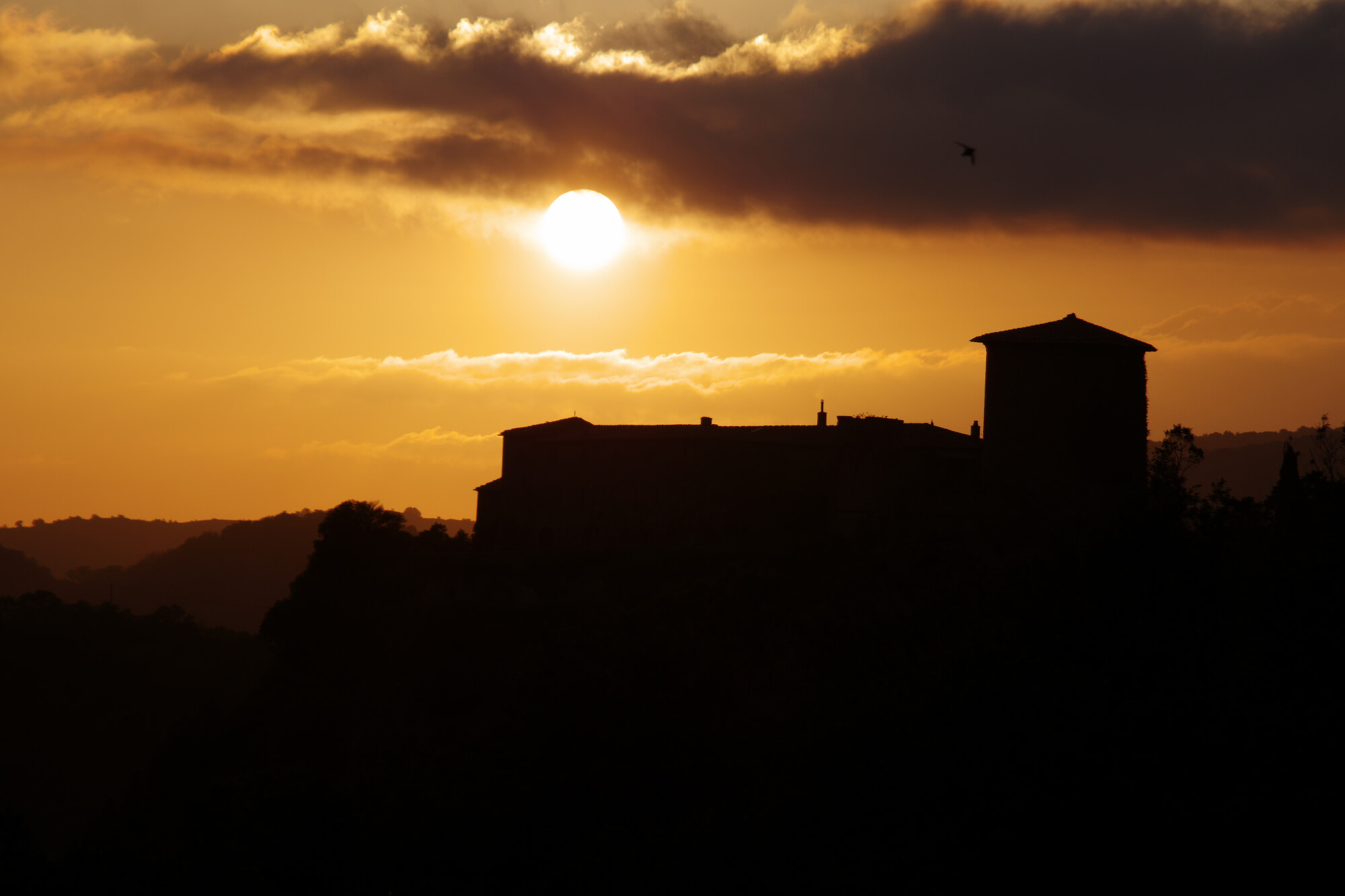
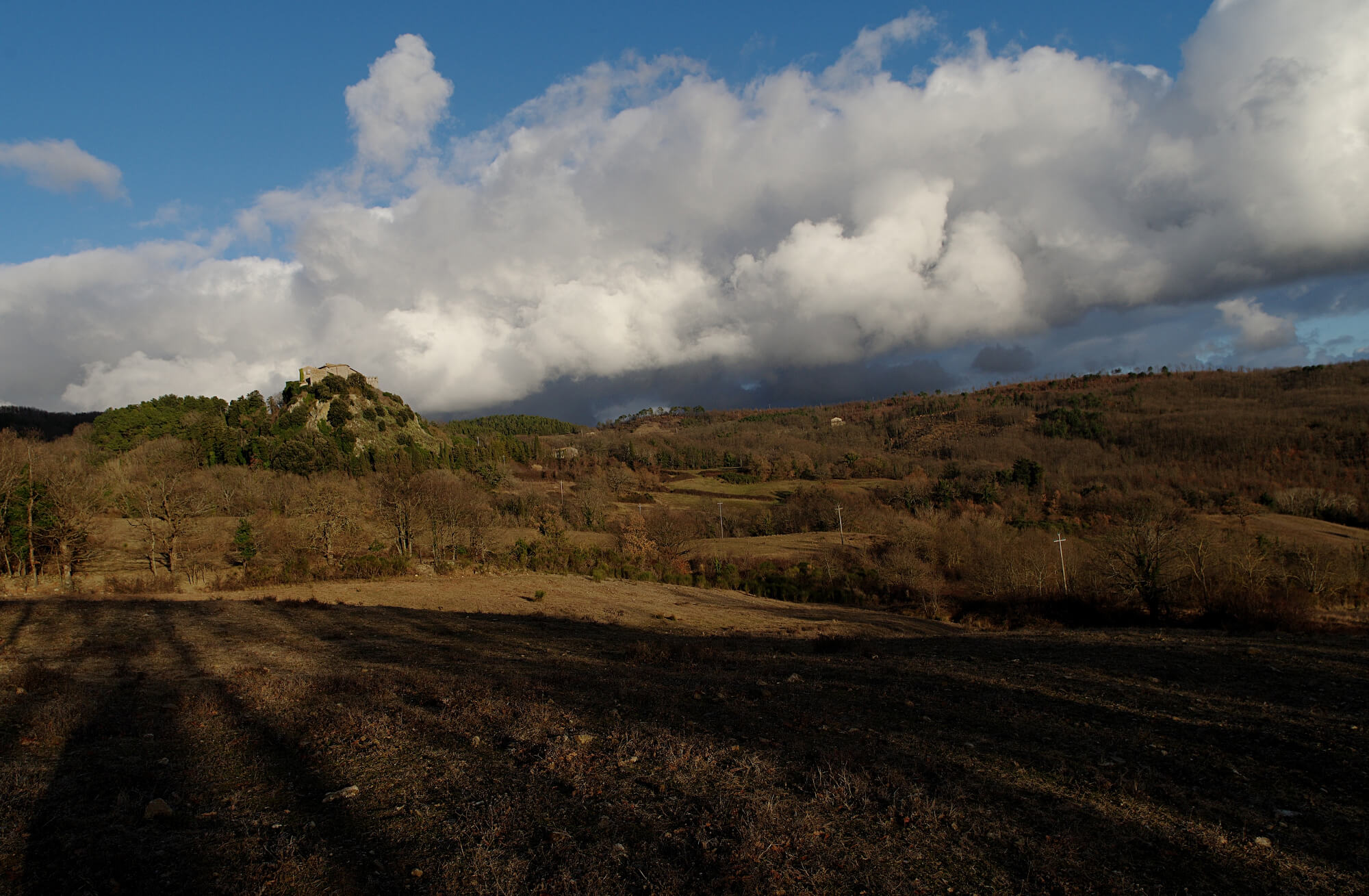
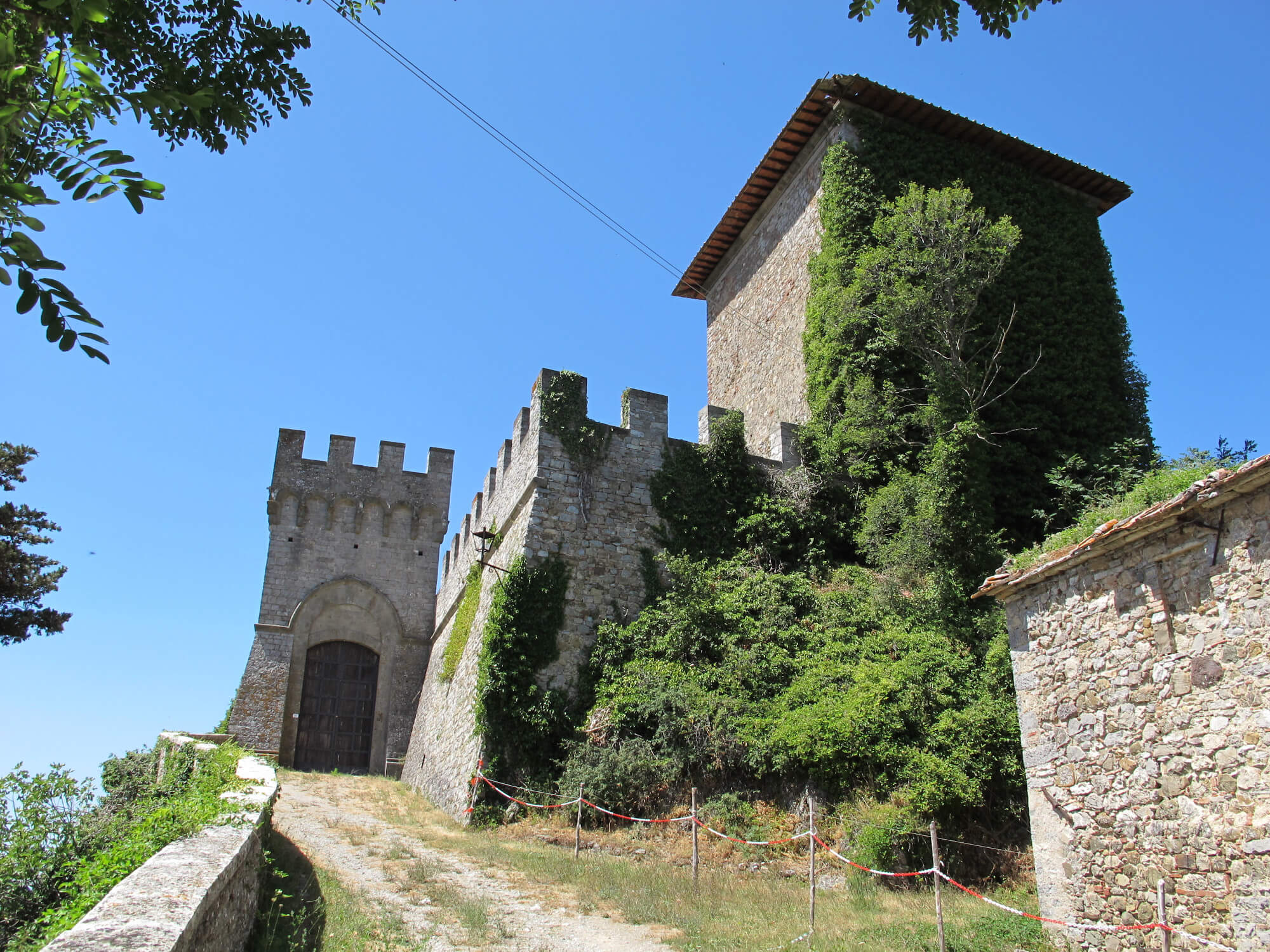
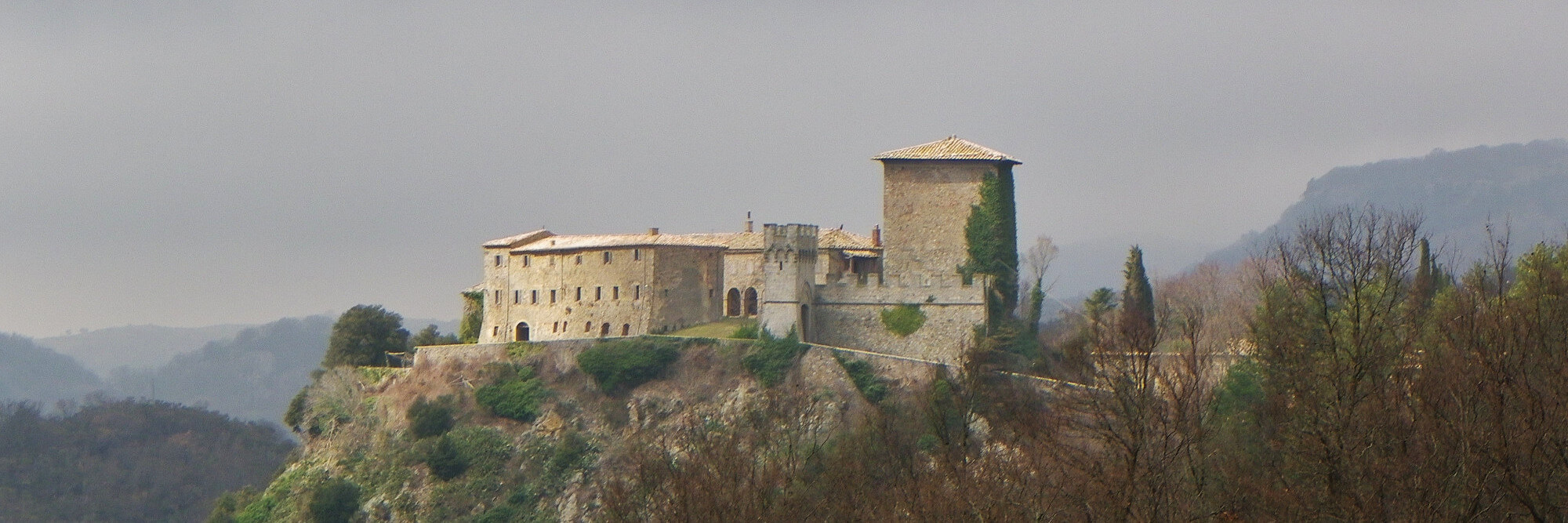
The settlement became a castle in the twelfth century and was part of the countship of Santa Fiora under the Aldobrandeschi family. On June 27th 1388 the castle and all its appendages were sold by Count Andrea of Santa Fiora to Niccolò, Giovanni and Spinello, the sons of Spinello Piccolomini, Count of Siena. The Piccolomini enlarged the counts residence as well as the working centers including the barns, warehouses and sheds. A massive and strategical tower was built on the less protected façade. The splitting of agricultural land into separate farms proved to be a powerful action which by the year 1570 consisted of 70 farms. Three large homesteads, Poggio Cottone, Vicchio and San Giovanni, welcomed the transhumant shepherds along the customs road running through Triana from Saragiolo and Santa Fiora towards Orbetello.
In 1962 the last of the Piccolomini, Count Silvio, died without heirs and left all his possessions to the Institute of the Pious Provisions of Siena. Today the Castle with its shady passageways and surrounding fields, its farms once beautiful as country villas, is completely abandoned. It is a great pity to see this ancient natural monument ravaged.