
Gilia Pandolfi
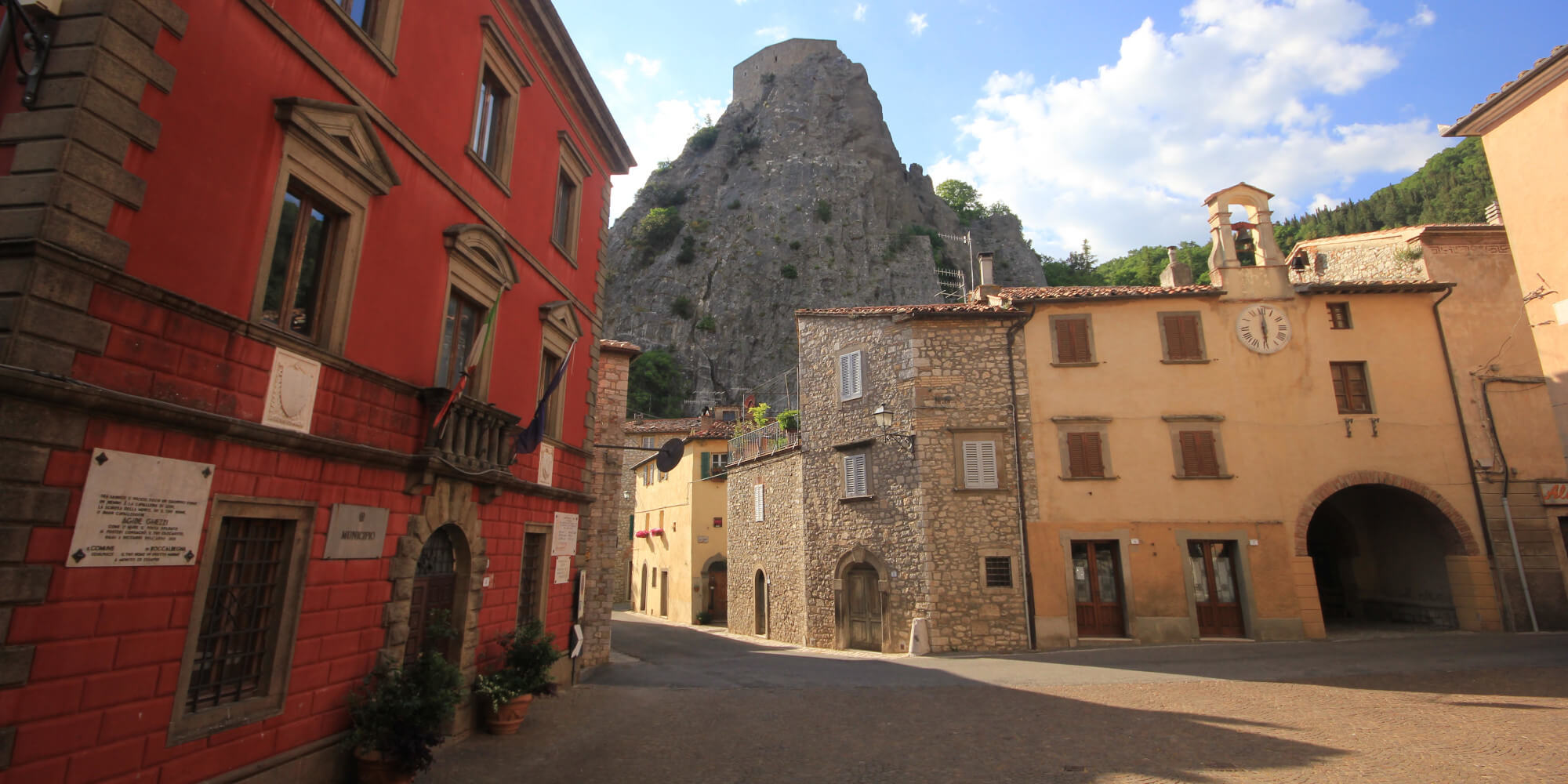
That of Roccalbegna is an unusual, picturesque Maremma, formed out of rocks and water, the age- old passage and border between the mountains and the plains. The town is built on a jagged strip of land shaped by the tumultuous Albegna river, easily accessible through the many natural paths in the river’s valleys. Here passed the ancient salt road towards Albinia, the roads of transhumance and the pilgrims’ paths to reach the Via Francigena.
Once of relevant strategic value and unified by history as this land of abundant environmental systems was inhabited throughout Etruscan, Roman, Medieval and Renaissance times.
Sheltered by the enormous monoliths, the first village known then as Fauclano sprouted around the small Paleo-Christian ‘pieve’ church and the cells of the Sancti Miniati monks of the Abbey of San Salvatore. Before long the settlement developed into a castle, ‘Roccha Albigna’, then in possession of the Republic of Siena that enlarged it at the end of 1200 into a modern town composed of mighty walls, bastion towers and city gates. Siena capacitated the creation of an artistic legacy: still evidenced today by the presence of works of art by Goro di Gregorio, Ambrogio Lorenzetti, Luca di Tommè, Vanni and Nasini.…
The Valley of the Albegna river is a protected area at the center of three natural parks, the Fauna Park of Monte Labbro, the Pescinello Nature Reserve, and the WWF Rocconi Nature Reserve.
In short Roccalbegna has an abundant list of offerings to discover, ranging from art, history, local traditions, gastronomy, ancient civilizations, nature and picturesque hiking paths to explore. This and much more classify Roccalbegna as a great option for educational tourism as well as cultural, sports, gastronomic and environmental tourism.
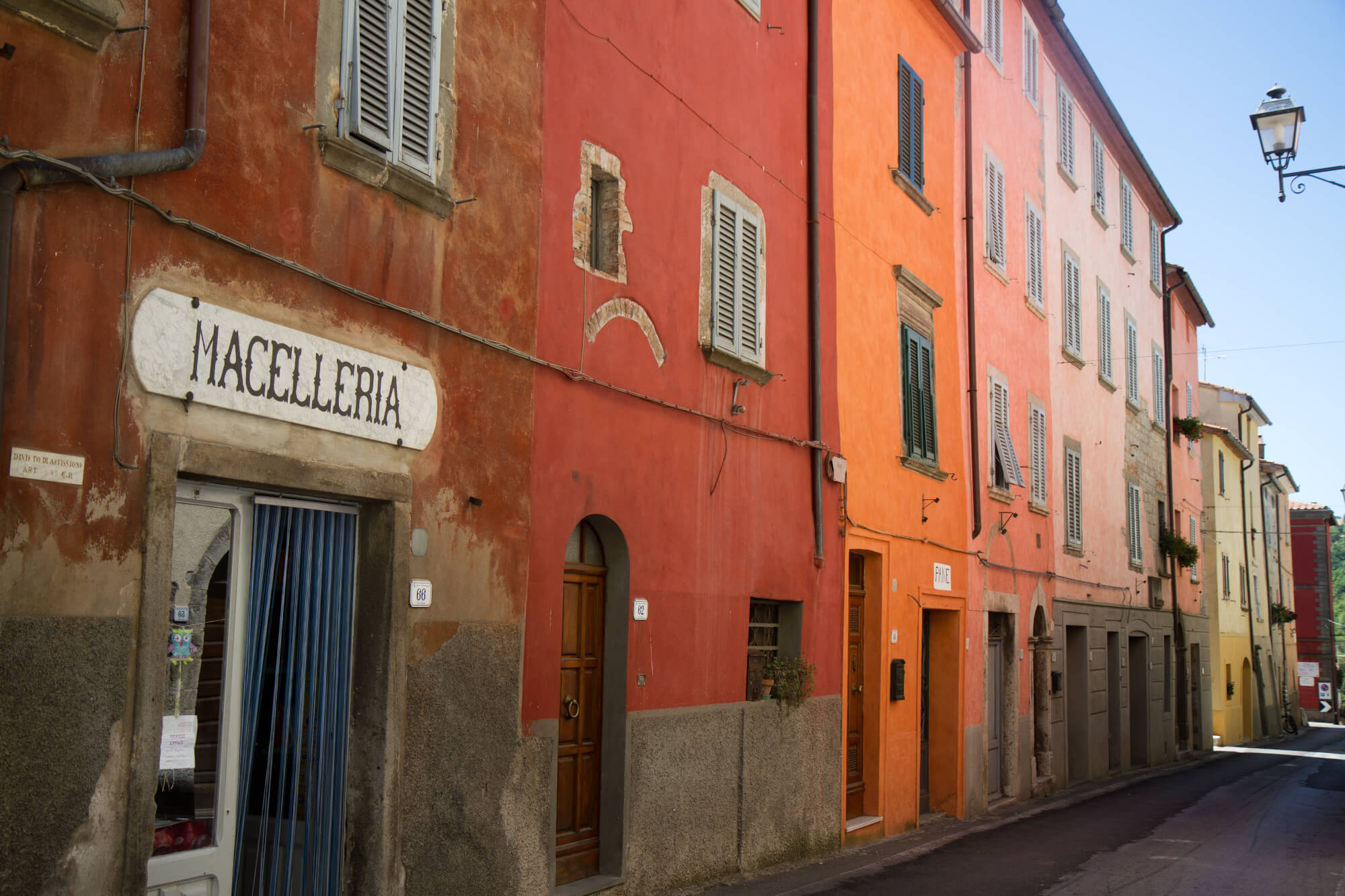
via Giuseppe Garibaldi
photo: Marcel Peek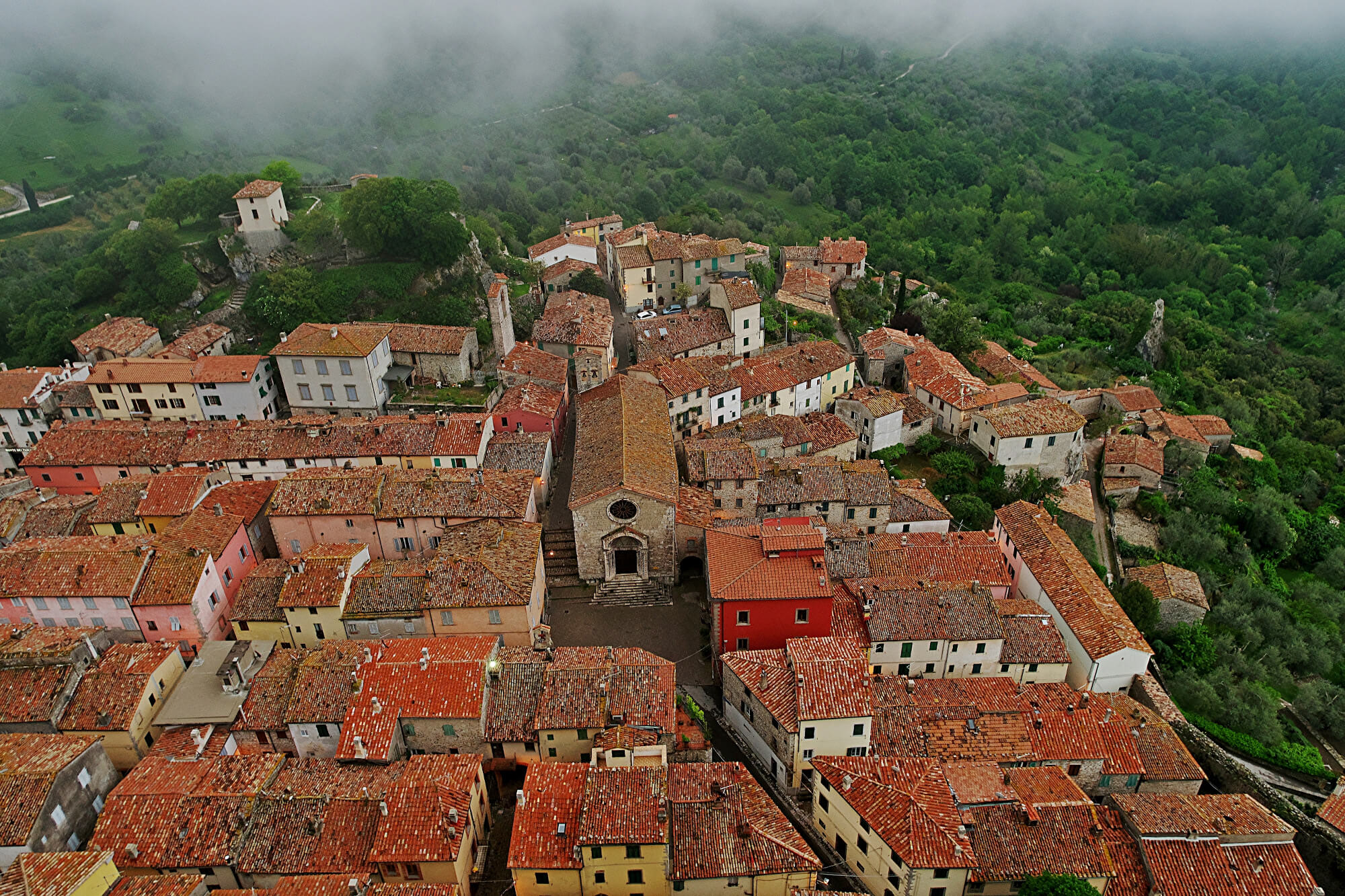
view from the Rocca
photo: Pierpaolo Simonelli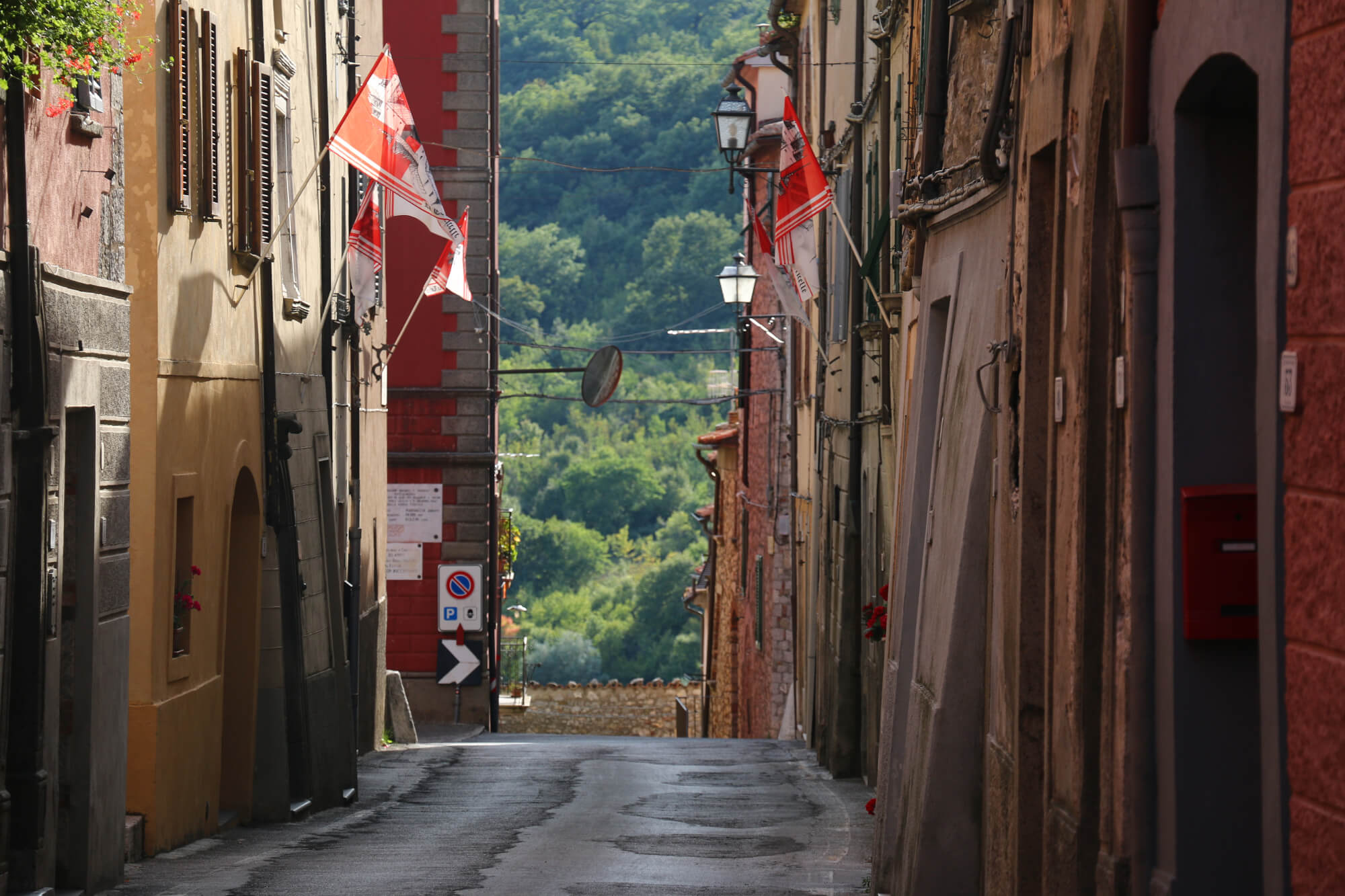
via Giuseppe Garibaldi
photo: Marco di Cosimo
drinking fountains
photo: Pierpaolo Simonelli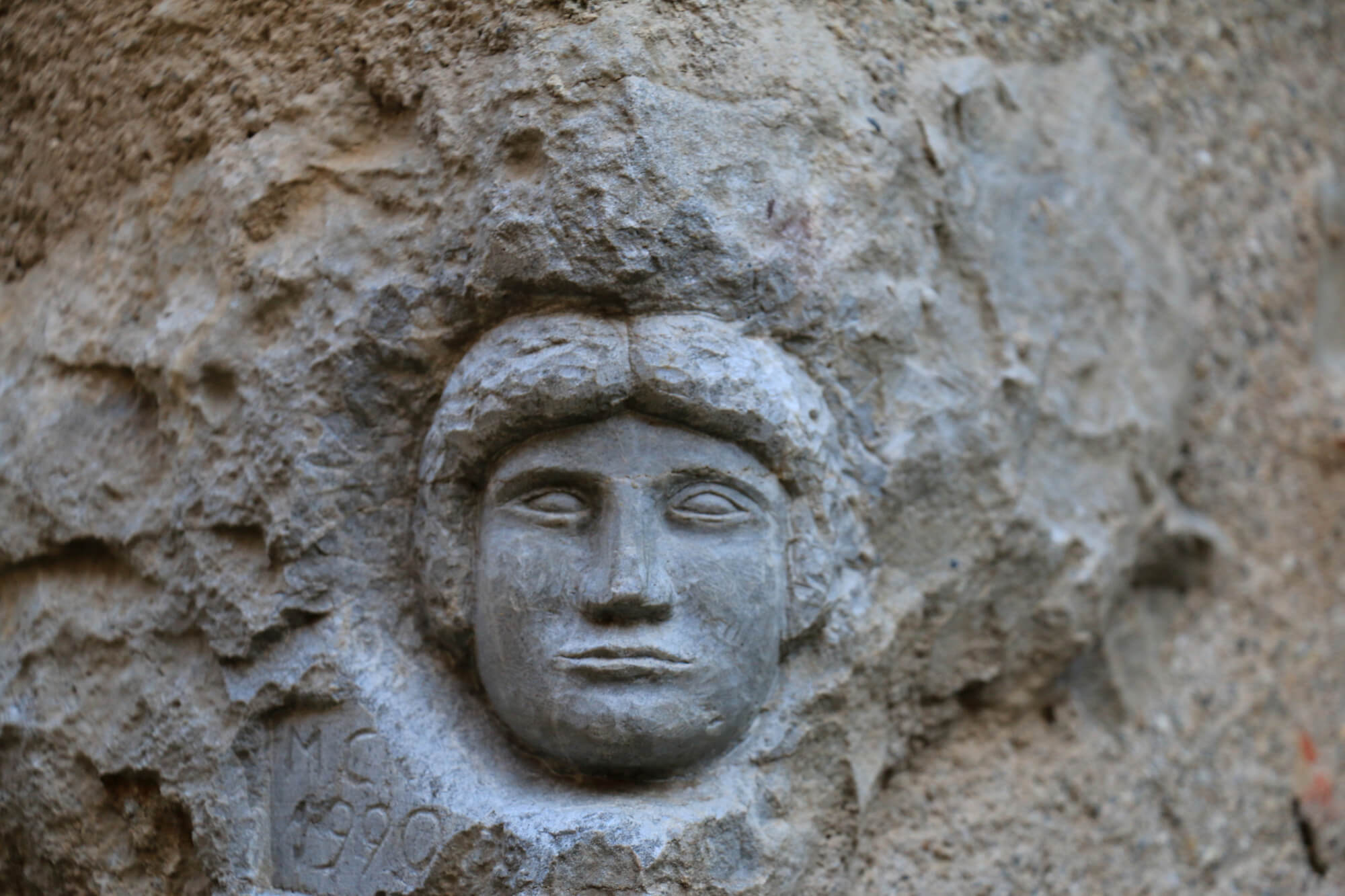
‘streetart’
photo: Marco di Cosimo
LINK
[available in Italian only]
[available in Italian only]
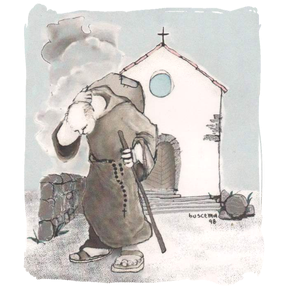
Cella Sancti Miniati
[available in Italian only]